Forest school
Living Education for future generations
Learning from life, in life, and for life
The Bosque Escuela (Forest School) at La Pacha is a Living Education program that supports children and young people in developing the capacities essential for life through direct experience with nature, community, and the land.
It grows from a simple recognition that much of modern education has drifted away from the natural processes that sustain us.
Today, many children grow up without understanding where their food comes from, how an ecosystem works, how a water source is cared for, or what basic skills it takes to sustain a dignified, resilient life.
At the same time, knowledge that allowed people to live in relationship with the land for generations is disappearing fast, including:
- Family agriculture
- Traditional trades
- Community organization
- Reading the natural cycles
- Caring for the land
These are increasingly absent from conventional education.
The Forest School offers a different kind of learning. A space where learning isn’t only about receiving information, but about developing real capacities through experience.
A space where nature becomes a teacher again, and education recovers its relationship with life.
What is a Forest School?
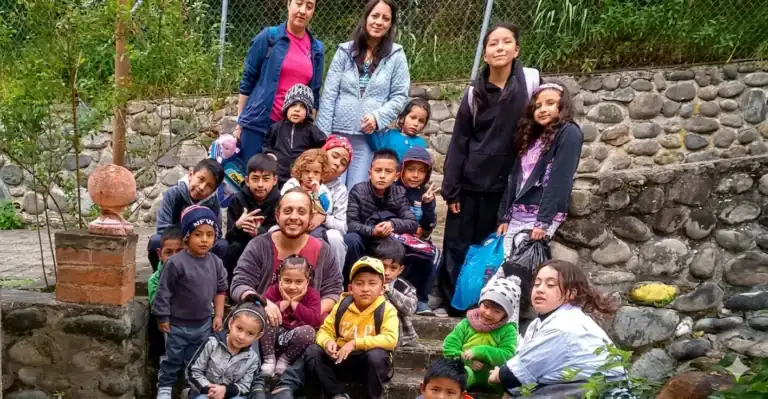
A Forest School uses nature itself as the primary place of learning. Instead of confining learning to a closed classroom, the land becomes a living space where every element offers something to learn.
- Trails become classrooms.
- Gardens become laboratories.
- The trees teach the cycles of life
- The water teaches interdependence
- The community teaches cooperation
- Experience teaches responsibility
In this approach, children aren’t passive observers, they’re active participants in their own learning.
Curiosity becomes a teaching tool, exploration becomes the method, and experience becomes knowledge.
Our educational vision
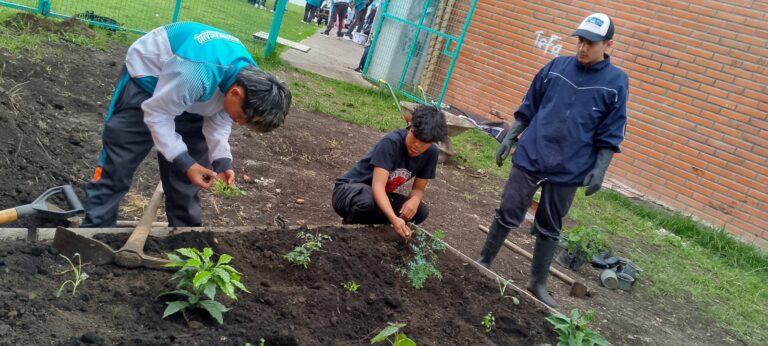
At La Pacha, we believe education should prepare people for life, not only to pass exams, not only to slot into an economic system, but to understand the world they live in and take a conscious part in it.
So the Forest School works to develop the capacities that let future generations sustain, regenerate, and pass on life.
That means learning to relate to the land, water, food, community, emotions, creativity, responsibility, and cooperation. Capacities that will only grow more important in the world these generations will inherit.
Learning by doing
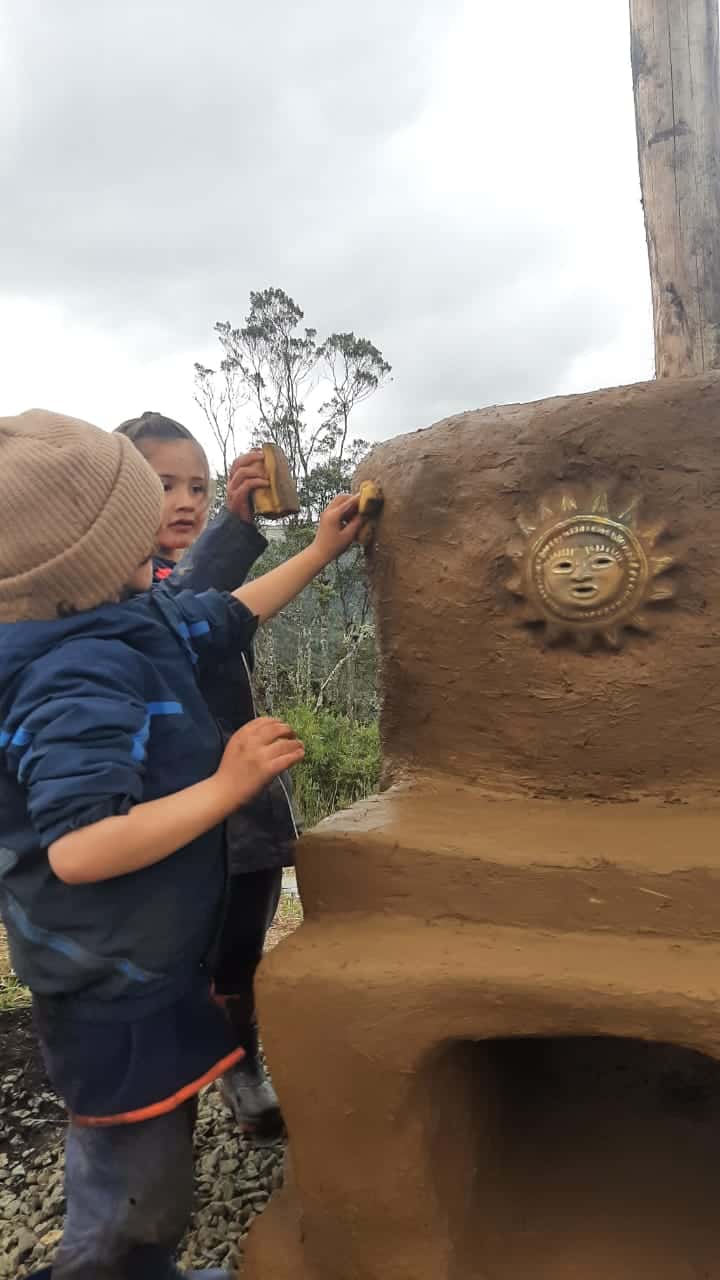
The core principle of the Forest School is experiential learning.
A child can listen for hours to how a seed is planted, but they only truly understand it once their hands are in the soil, tending the plant and watching it grow.
The same is true of so much else:
Cooperation is learned by cooperating, responsibility by taking on responsibility, care for nature by caring for it.
That’s why our activities put active participation first. Children observe, explore, experiment, create, build, investigate, ask questions, reflect, and learn from direct experience.
Areas of learning
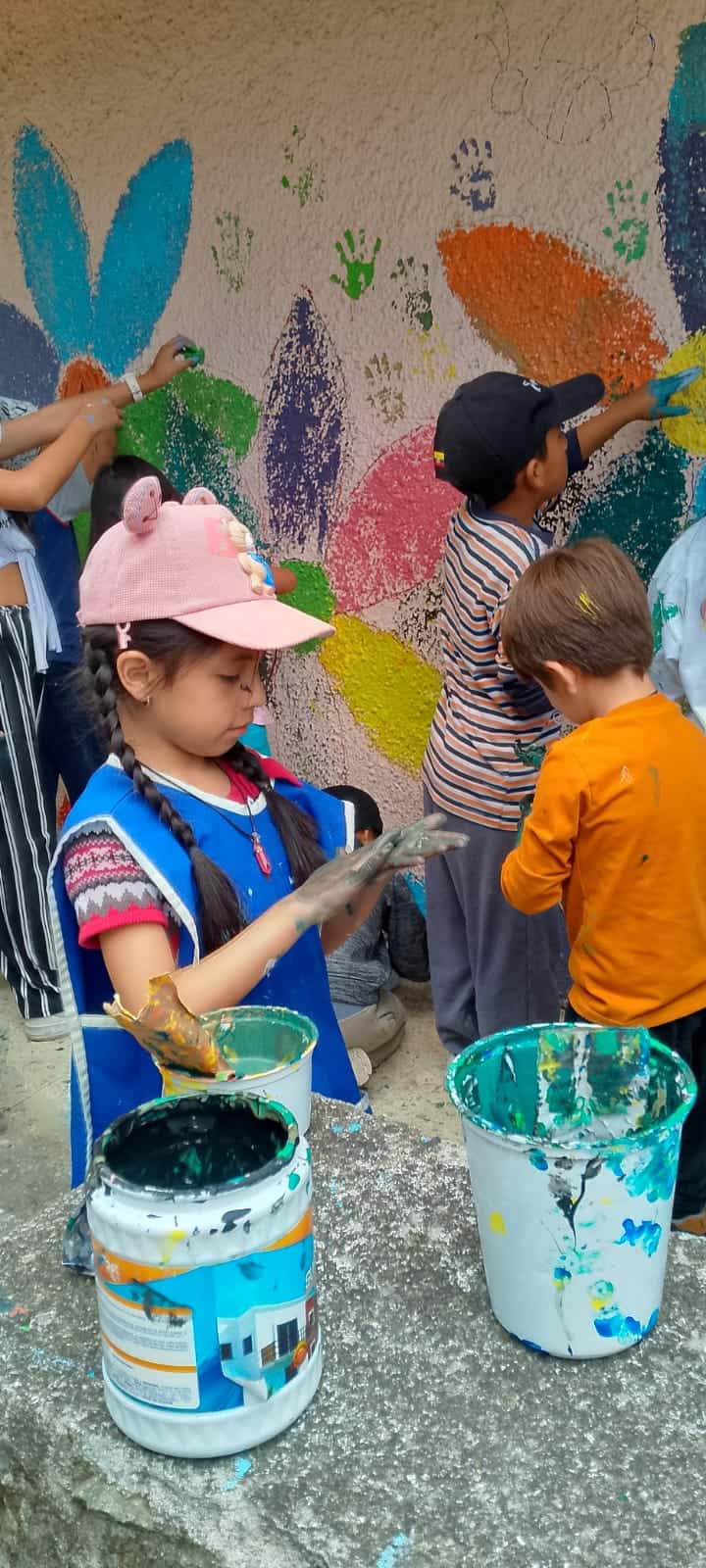
The Forest School brings together several dimensions of human development.
- Nature & ecology
Participants come to understand ecosystems and the processes that sustain life, exploring biodiversity, forests, natural cycles, water, soils, climate, and conservation, building a conscious, respectful relationship with the land. - Agriculture & food: We believe everyone should understand how their food is produced. Through gardens, agroforestry, seeds, composting, food production, basic cooking, and food preservation, children strengthen their autonomy and learn to value the work that sustains us.
- Life skills: Fundamental knowledge rarely found in conventional education: lighting a fire safely, orienting in nature, reading the landscape, observing the sky, using tools responsibly, practical problem-solving, basic first aid, and collaborative work, capacities that build confidence and independence.
- Emotional intelligence: Time in nature also nurtures emotional growth. Through participatory activities, talking circles, and group work, we encourage self-awareness, emotional expression, active listening, empathy, conflict resolution, and respectful communication.
- Creativity & expression: Creativity is essential for meeting the challenges ahead. Through art, music, ceramics, crafts, storytelling, free play, and creative building, children strengthen their imagination and their ability to turn ideas into reality.
Community as a place of learning
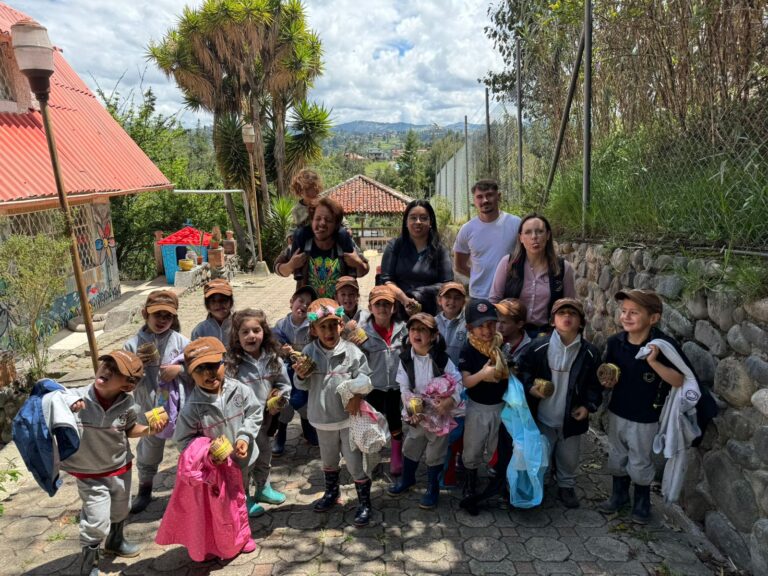
One of the most important parts of the Forest School is that learning doesn’t only happen between facilitators and participants, the community itself teaches.
Children learn by observing, collaborating, participating, sharing responsibilities, caring for common spaces, and resolving real situations together.
In this way they develop a hands-on understanding of cooperation and community life.
Forming agents of change
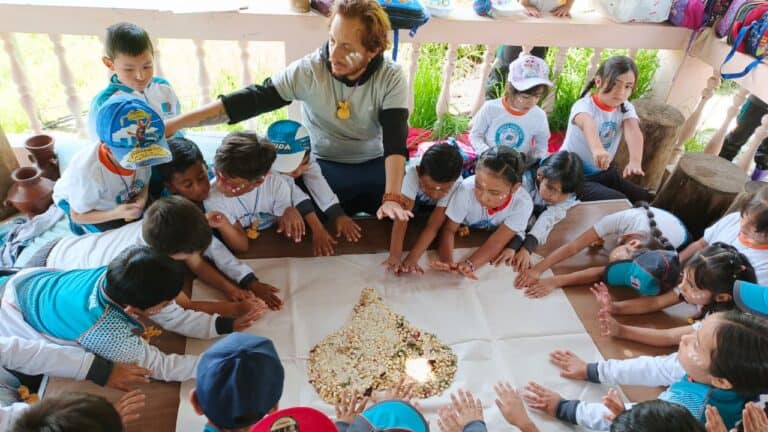
Our purpose isn’t only to pass on knowledge. We want to support the growth of people capable of creating positive change in their homes, schools, communities, and territories, people who carry these lessons beyond the Forest School itself.
A child who shares what they’ve learned with their family. A young person who inspires new practices. Someone who develops a different relationship with nature, and understands they can actively help build a better world.
Each child who learns to plant a seed can inspire a family. Each young person who understands how an ecosystem works can become a protector of the land. Every meaningful experience has the potential to multiply.
The impact we hope for
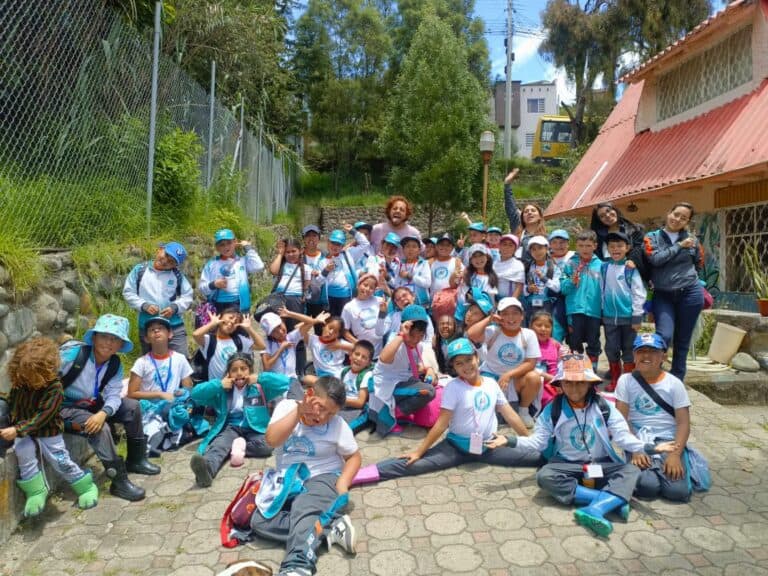
Over the coming years, we aim to consolidate a program able to serve 50 to 100 participants on an ongoing basis.
We want to help form new generations who:
- Understand the systems that sustain life
- Develop practical capacities for everyday life
- Strengthen their emotional intelligence
- Value cooperation and community
- Take an active part in caring for the land
- Become agents of change for the generations that follow
An invitation
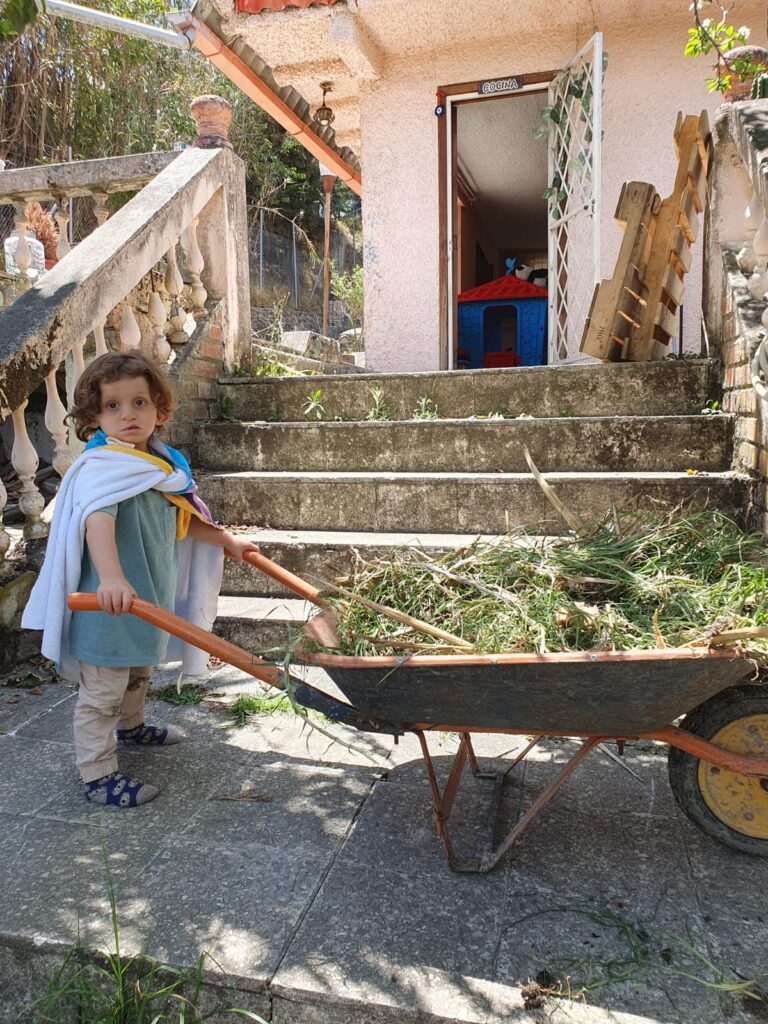
The Forest School is an invitation to learn from experience again. To discover that nature can be an extraordinary teacher.
To remember that education happens everywhere, and that a child who learns to care for life today can become an adult who regenerates the world tomorrow.
Would you like to learn more about the Forest School?
Get in touch to discover the upcoming educational experiences available for children, young people, and families.
Get involved
Want to get involved in our organization? here are some ways you can help: